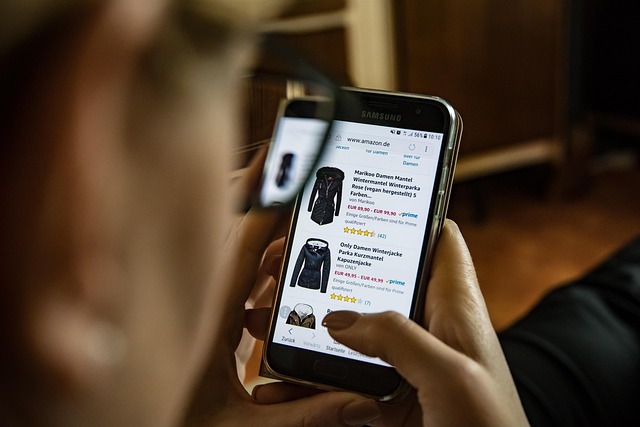
In a recent article in Forbes, Kate Hardcastle reported on several forces currently shaping consumer behavior. Retailers are entering 2026 facing a customer who wants both advanced technology and human reassurance. Shoppers appreciate personalization and convenience, but only when they feel in control. The past few years have trained consumers to question systems that feel hidden or manipulative. They are open to innovation, yet they expect choice and clarity.
This tension now shapes how people search, as well as evaluate and remember brands.
The first major shift is a new contract around personalization. Tailored experiences are no longer a bonus feature. They are expected. However, consumers increasingly demand transparency about how recommendations are created and how their data is used. Retail tools that let shoppers participate in the decision process build trust because they enhance judgement instead of replacing it. The lesson for retailers is simple: explain the logic behind personalization and give customers control.
Authenticity is another driver among consumers: highly polished marketing no longer guarantees engagement. Many shoppers now respond better to messages that feel real, contextual and human. Community events, local activations and unscripted storytelling outperform formulaic campaigns. Customers want brands that feel relatable rather than optimized. Retailers who show their process, their people and (even more importantly) their imperfections often gain more credibility than those presenting “perfection”.
Wellness has also changed meaning. Consumers are moving away from vague promises of future improvement toward products and services that provide measurable relief now. This applies across food, beauty, sleep and fitness. Scientific credibility matters more than aspirational branding. People want to understand what something does and how quickly it works. Those retailers selling functional products should communicate outcomes clearly and responsibly.
Value is being redefined. Price still matters, but confidence matters more. Shoppers will spend when they believe a purchase simplifies life or removes stress. Clear benefits and decision support increase willingness to pay. In practical terms, retailers win when they make buying easier, not just cheaper. Removing friction can be as powerful as offering discounts.
Experiences are shifting from spectacle to memory. Consumers continue to spend on leisure, but they prioritize moments that feel meaningful rather than flashy. Dining rituals, cultural activities and purposeful outings are replacing generic entertainment. Retail environments that create emotional connection build stronger loyalty than those focused only on attention.
Finally, Hardcastle points out that sustainability has moved from messaging to proof. Customers expect verifiable information about sourcing and lifecycle impact. Transparency builds trust even when products are not perfect. Documentation, traceability and honest disclosure now influence purchase decisions. Retailers should treat sustainability as a decision tool for shoppers rather than a marketing slogan.
Overall, 2026 rewards clarity and trust. Technology must explain itself; experiences must feel human, while products should demonstrate real value.
Retailers who focus on transparency, measurable benefits and emotional connection will be best positioned to earn long term loyalty.