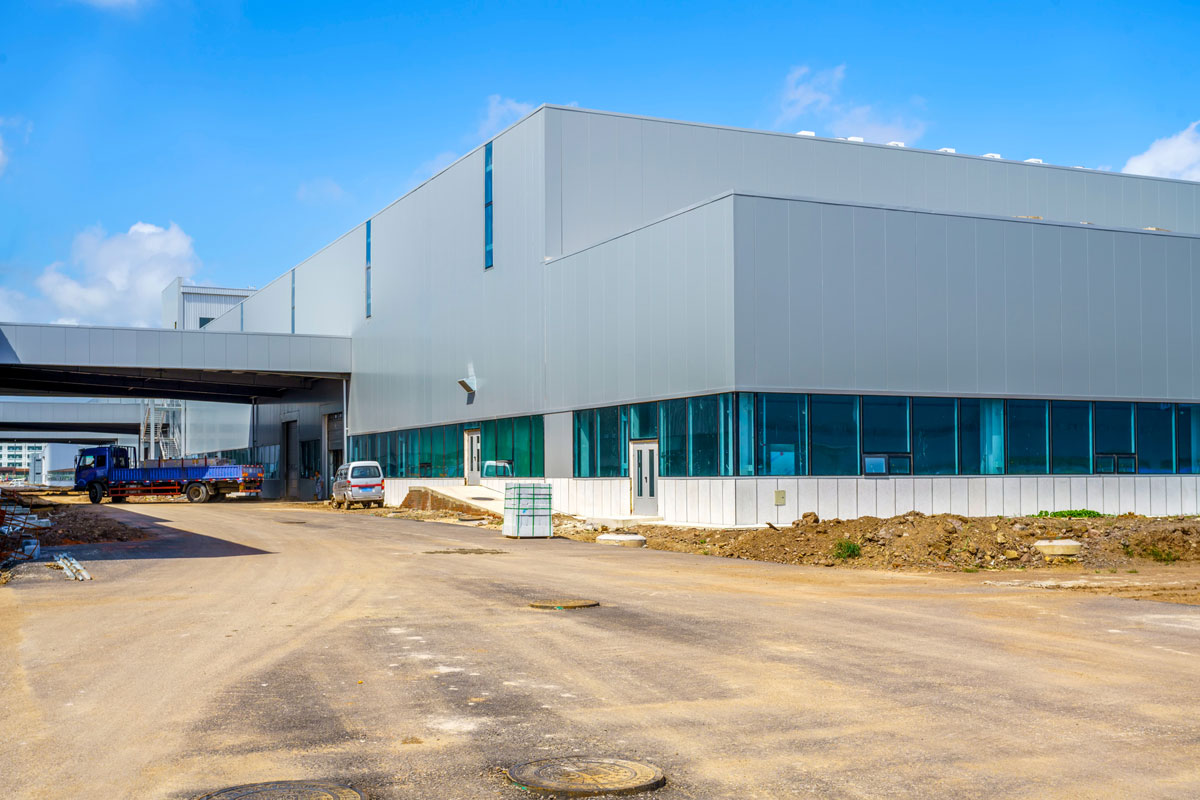
Industrial real estate has become one of the most sought-after asset classes in commercial property. Warehouses, distribution facilities, logistics hubs, manufacturing spaces, and outdoor storage yards all play a critical role in supply chains and business operations. However, while interest in industrial real estate continues to grow, many investors underestimate the complexity behind these assets.
Industrial properties may appear straightforward on the surface, but successful investing requires careful due diligence, strategic planning, and experienced guidance. Without the right approach, investors can encounter avoidable risks that impact long-term performance.
Below are some of the most common industrial real estate investment pitfalls—and how to avoid them.
1. Overlooking Location Fundamentals
In industrial real estate, location is more than proximity to highways. It directly influences tenant demand, operational efficiency, and long-term asset stability.
Investors sometimes focus solely on property pricing without evaluating:
- Access to major transportation corridors
- Proximity to ports, rail lines, or distribution hubs
- Labor availability
- Zoning compatibility
- Surrounding industrial development
Industrial tenants rely on logistical efficiency. If a property lacks strategic positioning, it may face extended vacancy or limited tenant interest in the future.
At EquityCRE, location analysis is treated as a foundational step—not an afterthought. Understanding market dynamics ensures the property aligns with real operational demand.
2. Ignoring Lease Structure and Tenant Quality
Not all industrial leases are structured the same way. Some investors assume that long-term occupancy automatically equates to security, but lease language and tenant strength are equally important.
Common oversights include:
- Inadequate review of escalation terms
- Unfavorable maintenance responsibilities
- Weak assignment protections
- Limited clarity on repair obligations
- Overlooking tenant financial strength
A poorly structured lease can shift unexpected costs back to ownership. Strong due diligence should include a thorough review of lease terms and tenant reliability.
Industrial real estate performance is driven not only by the building—but by the tenant and lease framework behind it.
3. Underestimating Capital Expenditures
Industrial buildings may appear low-maintenance compared to retail or office assets, but they come with their own infrastructure demands.
Potential capital concerns include:
- Roof condition
- Dock doors and loading areas
- HVAC systems (if climate controlled)
- Electrical capacity
- Paving and yard surfaces
- Drainage systems
Outdoor industrial storage properties, in particular, require proper grading, surface integrity, and zoning compliance.
Investors who skip detailed property inspections may encounter unexpected costs that reduce overall returns. A disciplined acquisition process evaluates both visible and structural components before closing.
4. Failing to Understand Zoning and Compliance
Industrial real estate is heavily influenced by zoning regulations and permitted use restrictions. What appears to be an ideal warehouse or yard may carry limitations that affect tenant operations.
Issues can arise when investors:
- Assume all industrial zoning is interchangeable
- Fail to verify permitted outdoor storage
- Overlook environmental restrictions
- Ignore municipal regulations
- Do not review entitlement conditions
Compliance risks can delay occupancy or create legal exposure. Proper review of zoning documentation is essential before acquisition.
5. Overpaying Due to Market Momentum
When industrial real estate demand increases, competition can push investors toward rushed decisions. Emotional bidding or fear of missing opportunities often leads to inadequate due diligence.
Investing based on momentum rather than fundamentals can result in:
- Paying premiums unsupported by lease stability
- Acquiring properties without proper tenant analysis
- Ignoring long-term repositioning risks
Industrial investing should remain disciplined regardless of market enthusiasm. Asset fundamentals must support acquisition decisions.
6. Misjudging Functional Obsolescence
Not all industrial buildings are equally functional. Modern logistics operations require clear heights, loading capacity, truck maneuverability, and efficient layouts.
Older buildings may lack:
- Adequate ceiling height
- Sufficient dock doors
- Trailer parking
- Modern fire suppression systems
- Flexible interior configuration
Functional obsolescence can limit tenant demand over time. Investors should evaluate how adaptable the property is for evolving industrial users.
7. Overlooking Exit Strategy Planning
Industrial real estate is often viewed as a long-term hold asset, but every investment should include a clear exit strategy.
Key considerations include:
- Future buyer demand
- Repositioning potential
- Lease rollover timing
- Asset scalability
- Market liquidity
A well-planned exit strategy protects long-term value and allows investors to adapt to shifting market cycles.
8. Attempting to Navigate Complex Transactions Alone
Industrial transactions involve layered negotiations, property analysis, tenant evaluation, and legal review. Investors who attempt to navigate acquisitions independently may miss critical structural details.
Working with experienced commercial real estate professionals helps:
- Identify risk exposure
- Strengthen negotiation position
- Evaluate market alignment
- Structure deals strategically
- Protect long-term asset performance
At EquityCRE, industrial real estate advisory focuses on disciplined acquisition strategy, comprehensive review, and alignment with investor objectives.
Industrial Real Estate Requires Strategic Discipline
Industrial real estate remains one of the most operationally driven asset classes in commercial property. Its success depends on logistics alignment, tenant strength, lease structure, and long-term adaptability.
Avoiding common pitfalls requires more than enthusiasm for the asset type. It requires structure, market understanding, and professional guidance throughout the acquisition process.
Investors who approach industrial real estate strategically position themselves for stronger long-term performance and reduced risk exposure.For deeper insights into real estate markets, investment strategies, and emerging trends, explore our expert analysis on NNN Trends.