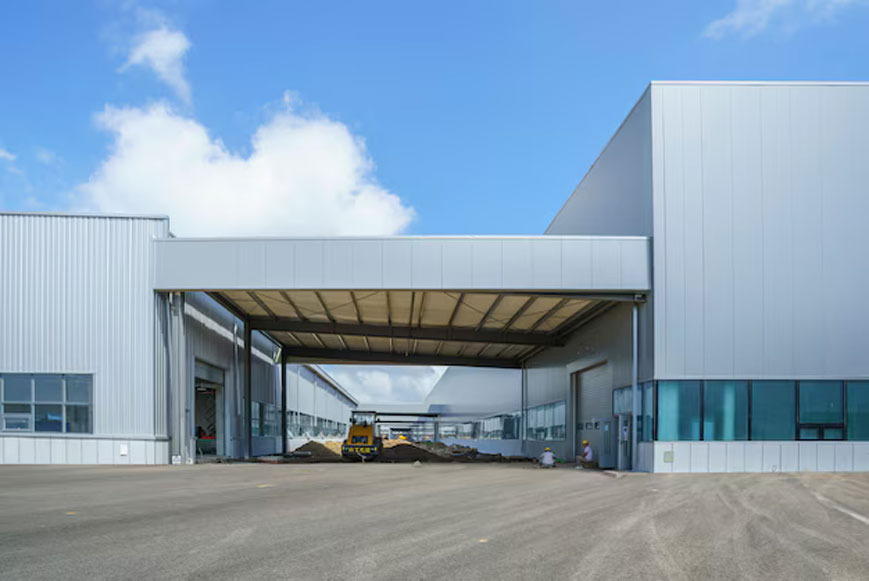
When it comes to real estate investment, industrial buildings for sale often capture the attention of savvy investors. These properties, ranging from warehouses to manufacturing facilities, offer unique opportunities that can yield impressive returns. At Equity CRE, we understand the nuances of the industrial real estate market, equipping potential buyers with the necessary insights and strategies.
Understanding the Industrial Real Estate Market
Before diving into the purchasing process, it’s essential to grasp what makes industrial buildings unique. Unlike residential or commercial properties, industrial facilities serve specific functions such as manufacturing, distribution, or storage. This distinction shapes the way they are evaluated and purchased.
Types of Industrial Properties
- Manufacturing Facilities: These are specialized buildings designed for the production of goods. Understanding the machinery requirements and zoning regulations is crucial when considering these types of properties.
- Warehouses and Distribution Centers: Ideal for storing goods, these spaces often come with loading docks and transportation access to crucial routes—an essential factor for businesses relying on shipping logistics.
- Flex Spaces: These versatile properties can serve multiple purposes, accommodating everything from office space to light manufacturing.
- R&D Facilities: With a focus on research and development, these spaces often require specific layouts and equipment. Potential buyers should assess their suitability based on intended use.
Factors to Consider When Buying Industrial Buildings
Investing in industrial buildings isn’t merely about location and square footage; several considerations can influence your decision.
Location and Accessibility
Location is paramount in industrial real estate. Proximity to major transportation routes—like highways, railroads, and airports—can dramatically enhance operational efficiency. Buyers should assess the area’s infrastructure and its impact on logistics.
Zoning Regulations
Understanding local zoning laws is critical. Different regulations dictate how a property can be used, what modifications can be made, and which businesses can operate legally. Failing to comply with these regulations can result in costly delays and penalties.
Property Condition and Maintenance
Conducting a thorough inspection of the property is non-negotiable. Look for signs of wear and tear, outdated systems, and any potential hazards. A well-maintained building can save significant expenses in the long run.
Market Demand
Evaluating the current and future demand for industrial spaces in the area is crucial. Understanding the market trends helps buyers predict long-term viability and profitability.
Financing and Investment Strategies
Financing industrial buildings can differ from conventional residential purchases. Buyers need to explore various options and determine the best approach to securing funding.
Traditional Loans vs. SBA Loans
- Traditional Loans: These often require a significant down payment and may involve higher interest rates.
- SBA Loans: The Small Business Administration offers loans specifically designed for purchasing commercial properties, which may come with favorable terms for eligible buyers.
Leverage and ROI
Understanding how to leverage your investment for maximum return is vital. Assessing factors like lease structures, tenant quality, and property appreciation potential can aid in making better investment decisions.
The Role of a Commercial Real Estate Broker
Working with a qualified commercial real estate broker, like those at Equity CRE, can provide invaluable insights into the nuances of the industrial real estate market. Our experienced agents possess the local market knowledge and connections needed to identify promising industrial buildings for sale.
Benefits of Professional Guidance
- Market Insights: We analyze trends in the industrial sector to provide our clients with up-to-date information.
- Negotiation Expertise: Experienced brokers can negotiate better terms on your behalf, ensuring that you get the best value for your investment.
- Access to Listings: Our network allows for access to exclusive industrial listings that may not be publicly available.
Important Legal Considerations
Navigating the legal landscape in commercial real estate can be complex. Buyers should be prepared to deal with contracts, inspections, and regulatory compliance, often involving multiple stakeholders.
Environmental Assessments
Industrial properties may have environmental considerations, especially if they were once used for manufacturing or storage of hazardous substances. An environmental site assessment can identify potential liabilities regarding contamination or pollution.
Tenant Agreements
For buyers looking to invest in properties with existing tenants, understanding the lease agreements is crucial. Analyze the terms carefully to gauge the investment’s long-term viability.
Moving Forward with Confidence
Purchasing industrial buildings for sale entails a thorough understanding of various factors, from the property type and location to legal implications and financing options. By leveraging our expertise and resources at Equity CRE, buyers can navigate this landscape more effectively.
If you’re ready to explore the possibilities that industrial real estate can offer, we invite you to bolster your knowledge. Explore our detailed insights on NNN Trends to better understand current real estate trends and investment opportunities.
Engaging with our dedicated team will ensure you make informed decisions as you venture into the realm of industrial real estate. Whether you’re looking for your first investment or seeking to expand your portfolio, we are here to assist you every step of the way.